

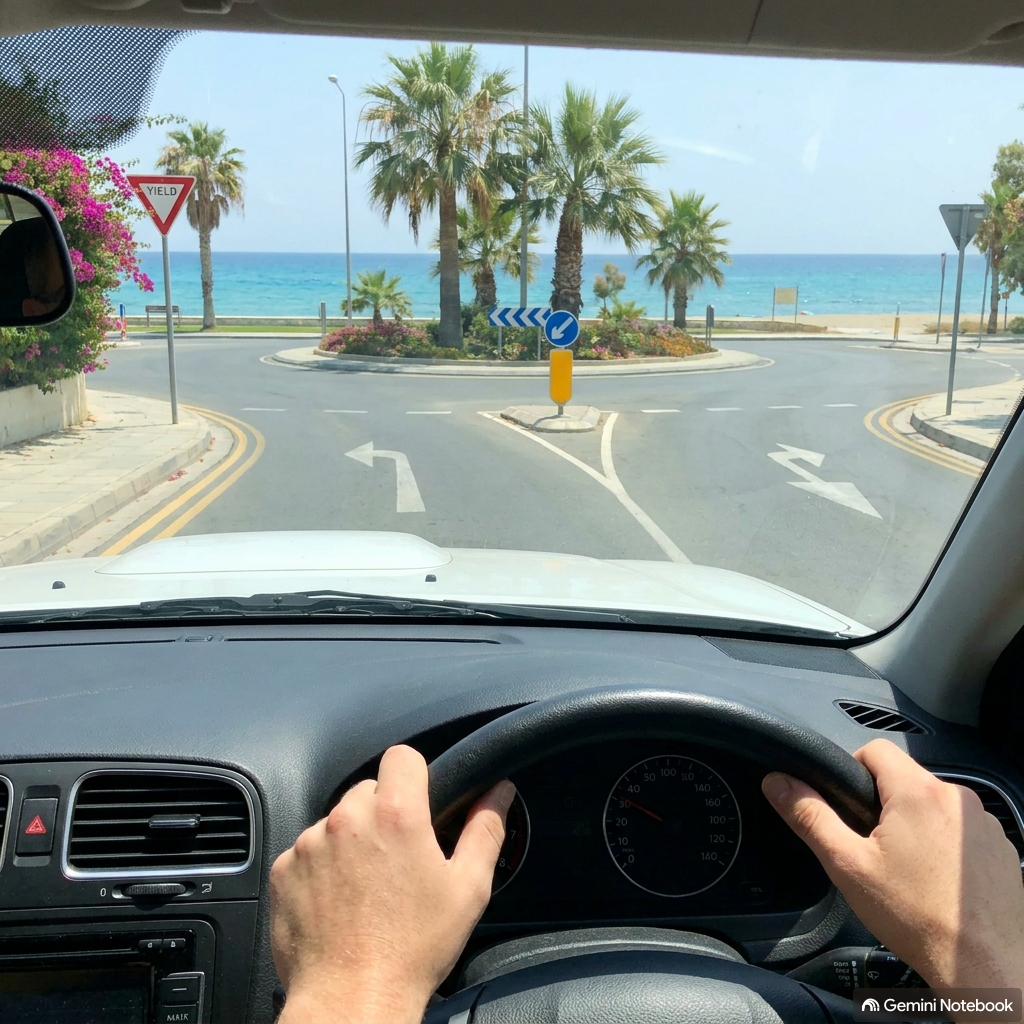
Embarking on a road trip across the sun-drenched island of Cyprus is an absolute delight, offering breathtaking coastal vistas and charming mountain villages that are best explored behind the wheel. However, before you pick up your rental vehicle, it is absolutely essential to familiarize yourself with the local driving environment, especially if you are accustomed to right-hand traffic. Cyprus is one of the few countries in Europe where driving is on the left side of the road, meaning you must stay highly alert when navigating intersections and roundabouts. To ensure your journey is both safe and enjoyable, mastering the various cyprus road signs and understanding the distinct local regulations is the very first step every foreign driver must take before starting their Mediterranean adventure.
Navigating Bilingual Traffic Signs and Road Markings in Cyprus
How Bilingual Signboards Aid International Travelers
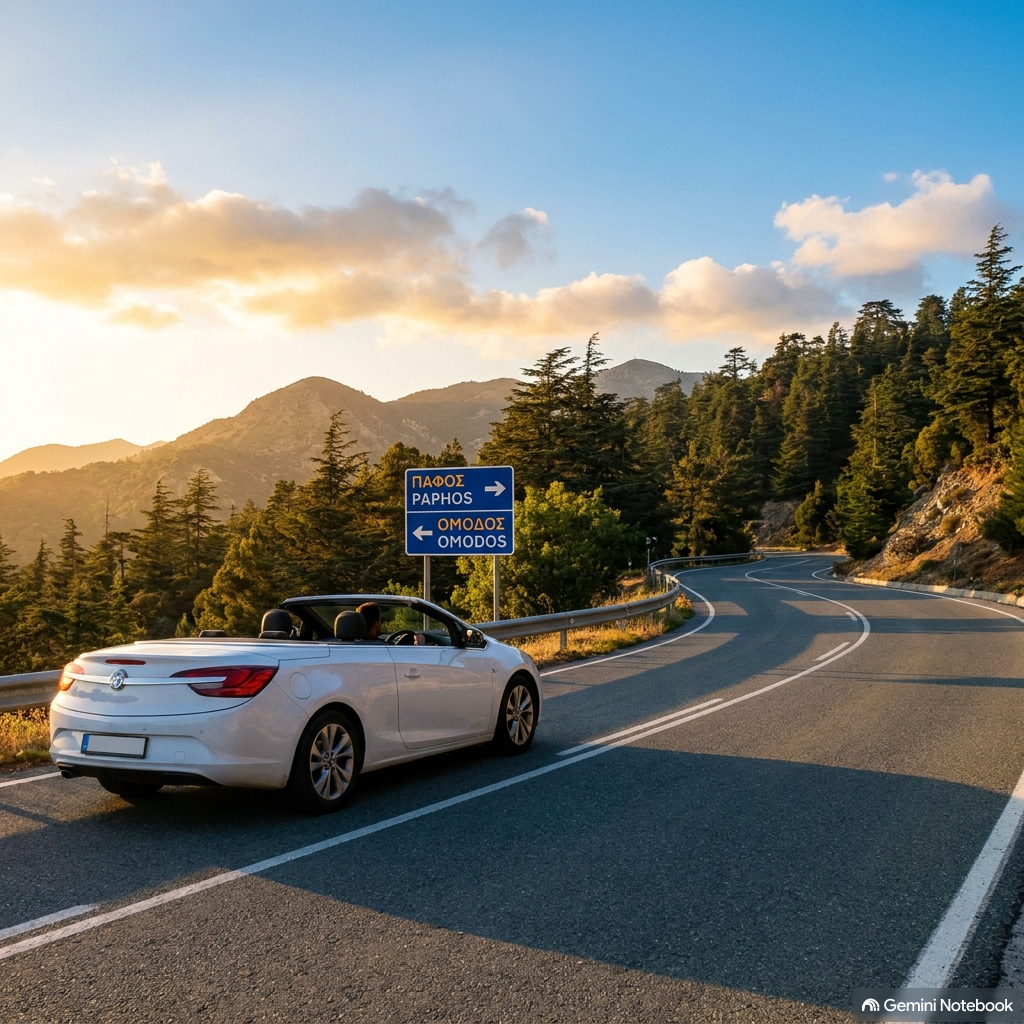
One of the most reassuring aspects for tourists navigating Cypriot roads is that cyprus traffic signs are highly standardized and mostly adhere to international European designs. Furthermore, because Cyprus is a highly popular destination for English-speaking travelers, nearly all major directional pointers, highway indicators, and regulatory notices are fully bilingual, displaying names and critical information in both Greek and English. This bilingual presentation dramatically reduces the stress of navigation, allowing you to focus on the road itself. By having English translations alongside Greek script on major highway markers and municipal signboards, tourists can easily plan their routes to popular hubs like Larnaca and Ayia Napa without experiencing linguistic confusion while driving at high speeds.
Horizontal Asphalt Paint and Lane Guidance Indicators
In addition to the physical metal signs posted along the shoulders, you must pay close attention to the painted road markings on the asphalt, such as yellow curbs and directional arrows in lanes, which dictate immediate driving maneuvers. These markings help maintain an orderly flow of traffic even in highly congested tourist areas like Paphos or Limassol. White arrows painted inside lanes indicate mandatory driving directions at intersections, while continuous white lines separating lanes prohibit overtaking and lane changes. Staying observant of both vertical signs and horizontal pavement markings is key to driving safely and avoiding sudden, dangerous maneuvers on unfamiliar roads.
Mastering Complex Junctions and Roundabout Priority
Priority Rules When Entering a Cypriot Roundabout
Navigating junctions and large roundabouts can initially feel intimidating for foreign motorists, but they are highly efficient once you understand the local priority rules. In Cyprus, roundabouts are incredibly common and serve as the main method for managing traffic flow at busy intersections. The golden rule of roundabouts here is that vehicles already inside the circle have absolute priority over those attempting to enter. This means you must yield to any vehicle approaching from your right before merging into the flow of traffic. Using your indicators is vital—you must signal left as you approach your desired exit to inform other drivers of your intentions, helping to maintain a fluid and safe environment for everyone.
Important Lane Placement Rules for Roundabouts
Staying in the correct lane when approaching and circulating inside a roundabout is critical to prevent collisions and keep traffic moving smoothly. You should pay close attention to the arrow markings on the approach road to ensure you enter in the correct position for your planned turn. As a general rule, the left lane is used for turning left or going straight, while the right lane is reserved for turning right or making a full U-turn. Always double-check your side mirrors, as local drivers may change lanes quickly, and maintaining a defensive driving posture will keep you safe throughout your travels.
Key Roundabout Rules at a Glance
- Yield to the Right: Always give absolute priority to vehicles already circulating inside the roundabout.
- Select the Correct Lane: Look at the road arrows and signs before entering to choose the appropriate lane.
- Signal Your Intentions: Use your left turn indicator just after passing the exit prior to the one you wish to take.
- Maintain Steady Speed: Keep a safe, consistent pace while circulating and avoid sudden lane changes inside the circle.
Speed Limits and Safety Regulations on Cypriot Motorways
Default Speed Zones Across the Island
Adhering to speed limits is paramount for safety and avoiding heavy fines, as speed camera systems are widely used throughout Cyprus. The road signs in cyprus clearly display speed limits in kilometers per hour (km/h), and these limits vary significantly depending on the type of road you are traveling on. On the modern motorways that connect major cities like Larnaca, Limassol, and Paphos, the speed limit is strictly set at 100 km/h, and there is also a legal minimum speed limit of 65 km/h to prevent dangerous traffic build-ups. On open rural roads, the default speed limit is 80 km/h, while in built-up urban and residential zones, it drops to 50 km/h.
Automated Speed Enforcement and Modern Radars
To keep yourself and other road users safe, it is highly recommended to monitor these speed limits closely, especially since mobile police patrols and fixed speed cameras frequently monitor tourist hot spots and urban junctions in Nicosia. Fines for speeding are calculated on a sliding scale, depending on how much you exceed the legal limit, and can quickly become a significant expense. Furthermore, Cypriot traffic authorities utilize modern radar equipment that is active day and night. Staying alert, saving Cyprus emergency numbers on your phone, and driving defensively will ensure you enjoy a completely hassle-free experience on the island’s scenic highways.
Cyprus Speed Limits & Mobile Safety Rules
- Motorways: Maximum speed is 100 km/h, with a strict minimum speed limit of 65 km/h.
- Open Rural Roads: Standard limit of 80 km/h unless signs indicate otherwise.
- Built-up Urban Areas: Maximum limit of 50 km/h, which may drop to 30 km/h near schools.
- No Handheld Phones: Using a mobile phone while driving is strictly illegal and subject to heavy fines. Keep a tourist SIM card for GPS maps mounted safely.
Understanding Parking Regulations to Avoid Costly Fines
Decoding Single and Double Yellow Curb Lines
Parking regulations in Cyprus are strictly enforced, particularly in popular coastal towns, historic city centers, and near public beaches. To avoid returning to a costly parking ticket or finding your rental car towed, you must understand the meaning of the yellow line markings painted on the edges of the streets. A single yellow line indicates that active passenger loading or unloading is allowed, but parking is strictly prohibited during the times specified on nearby signs. If you see a double yellow line, this indicates an absolute ban on parking, waiting, or stopping at any time of day or night, and local parking wardens will not hesitate to issue hefty fines to violators.
Utilizing Official Municipal Parking Zones
For peace of mind during your day trips, it is always best to utilize designated municipal parking lots instead of parking on narrow streets. These public parking spaces are clearly marked with a blue sign containing a white ‘P’, and their fees are usually very reasonable. Most parking lots use automated ticket machines where you can pay with coins or cards, or they are managed by attendants who will issue a paper receipt. Leaving your vehicle in these secured, designated zones protects your rental car from accidental scratches and ensures you comply fully with municipal parking laws. (Planning long island road trips? Make sure to check our guides on drinking tap water in Cyprus and crossing border checkpoints to North Cyprus).
Why Learning to Recognize Cyprus Road Signs Correctly Safeguards Your Journey and Guarantees a Stress-Free Vacation
In conclusion, driving around Cyprus is one of the most rewarding ways to experience the island’s rich history, diverse culture, and natural beauty. By taking the time to study and understand the driving signs cyprus utilizes, you will build the confidence needed to handle left-hand driving, navigate complex roundabouts, and comply with all parking and speed regulations easily. Being prepared not only keeps you safe but also prevents unexpected expenses from traffic violations, allowing you to focus on creating unforgettable holiday memories. If you ever feel hesitant about driving yourself, opting for a professional airport transfer or a private taxi service remains an excellent, stress-free alternative to reach your destination. Check our transparent rates or download our taxi app for 24/7 comfortable travel.
FAQ: Cyprus Road Signs
Are road signs in Cyprus written in English?
Yes, almost all road signs in Cyprus are bilingual, displaying names in both Greek and English. This is extremely helpful for foreign drivers who are navigating the island’s coastal roads and mountain routes. Major highway signs, directional pointers, and regulatory notices are written in clear, readable Latin characters alongside the Greek script, which minimizes confusion and allows international tourists to navigate safely. Whether you are heading to a major resort or a remote village, you can rely on these clear signs to guide you.
What side of the road do you drive on in Cyprus?
In Cyprus, traffic moves on the left-hand side of the road, which is a historical legacy of British administration on the island. This means that the driver’s seat is located on the right side of the rental car, and you will need to change gears using your left hand. For tourists coming from countries with right-hand traffic, this setup can take some getting used to, requiring extra vigilance and concentration when making right-hand turns at junctions, entering roundabouts, and driving along narrow mountain roads.
How do roundabouts work in Cyprus and who has priority?
Roundabouts are highly common in Cyprus, and they operate on the strict rule of yielding to traffic approaching from your right. When approaching a roundabout, you must slow down and give way to any vehicle that is already circulating inside the junction. It is also extremely important to select the correct lane before you enter, use your left-hand indicator to signal your exit just after passing the preceding turn, and stay highly aware of surrounding vehicles as traffic can move quite rapidly through these circles.
What do single and double yellow lines mean on Cyprus roads?
Yellow road markings in Cyprus indicate strict parking and waiting restrictions that are closely monitored by municipal traffic wardens. A single yellow line painted on the curb means that parking is prohibited during specific hours, although loading, unloading, or dropping off passengers is usually allowed. A double yellow line indicates an absolute, round-the-clock ban on parking, stopping, or waiting at any time. Violating these lines can result in heavy municipal fines, and in some busy tourist areas, your car may be towed away.
What are the standard speed limits on Cyprus highways and urban roads?
On Cypriot motorways, the maximum speed limit is strictly set at 100 km/h, and there is also a legal minimum speed limit of 65 km/h to ensure traffic flows safely and prevent slow vehicles from causing hazards. On open country roads outside of major towns, the default speed limit is 80 km/h, while in built-up urban and residential areas, it is capped at 50 km/h. These speed limits are clearly posted in kilometers per hour, and adhering to them is essential to ensure your safety and avoid automatic speed camera fines.
Are speed cameras common in Cyprus, and how do they work?
Yes, Cyprus features an extensive network of both fixed and mobile speed cameras that operate across highways and urban intersections. These automated systems capture the license plates of any speeding vehicles, and the resulting traffic fines are issued electronically. If you are driving a rental car, the traffic authority will send the fine directly to your car rental agency, which will then charge the fine amount and an additional processing fee to your credit card, so it is highly advisable to stay within the legal speed limits.
Can I use my domestic driving license to drive a rental car in Cyprus?
Tourists holding a valid national driving license from any European Union member state, the United Kingdom, or Switzerland can drive legally in Cyprus without any extra permits. However, if your driving license was issued by a non-EU country, you might be required to obtain and present an International Driving Permit (IDP) alongside your original domestic license. It is always highly recommended to verify the exact licensing requirements with your selected rental car provider well in advance of your Mediterranean vacation.
What should I do if I receive a traffic fine or parking ticket in Cyprus?
If you receive a traffic fine or a parking ticket while driving in Cyprus, it is best to pay it promptly to avoid any legal complications or extra late fees. Fines cannot be paid directly to the police officers who issue them; instead, they must be settled online via the official government payment portal known as JCC Smart, or at a local bank. Paying your fine quickly ensures a clean record and prevents your car rental agency from charging high administrative fees for managing the unresolved ticket on your behalf.
