

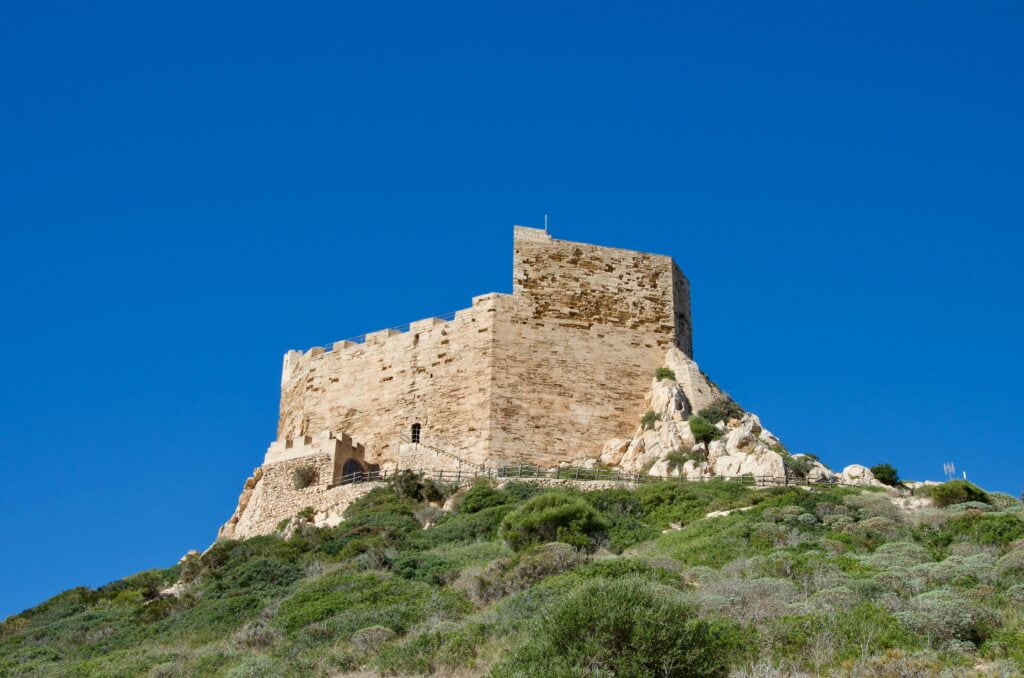
Visiting this medieval stronghold in Limassol is a captivating experience that unveils layers of historical significance. Constructed in the 15th century, the structure played a pivotal role in the defense and administration of the region. Discover the strategic vantage points that underline its military importance and appreciate the craftsmanship of stonework that has withstood the test of time. If you plan to visit without renting a vehicle, review our guide on traveling to Cyprus without a car.
Pay special attention to the imposing tower at the center, which offers breathtaking views of the surrounding landscape. This vantage point not only served its defensive purpose but also symbolized the authority exercised by the Knights of St. John. You can easily arrange direct rides from neighboring cities or coastal resorts using Limassol transfer services.
The site also boasts an enchanting countryside, ideal for a leisurely walk after your exploration. Strolling through the nearby vineyards can enhance the experience, providing a glimpse into the agricultural heritage that flourished around the fortress. Enjoy some local wines to complete your visit, immersing yourself in the flavors of the region that have been cultivated alongside its storied architecture.
Exploring the Architectural Features of Kolossi Castle
The structure’s design reflects a mix of military and residential functions, evident in its thick stone walls and strategic placement of arrow slits. The impressive keep rises sharply, providing a commanding view of the surrounding landscape. Each level of the tower showcases distinct architectural elements, combining functionality with aesthetics.
Structural Elements
Ramps and spiral staircases guide visitors through various floors, enhancing both utility and aesthetics. A prominent feature is the imposing entrance, flanked by robust stonework and intricate carvings. The use of local limestone not only ensures durability but also integrates the building with its environment.
Interior Features
Within, remnants of medieval life remain. Arched doorways lead to spacious rooms, designed for both habitation and defense. Decorative niches and vaulted ceilings highlight craftsmanship from a bygone era, reflecting the cultural influences of the time.
| Feature | Description |
|---|---|
| Stone Walls | Thick construction for defense, utilizing local limestone. |
| Spiral Staircase | Designed for efficiency in ascension while minimizing space. |
| Arrow Slits | Strategically placed for archer visibility and protection. |
| Decorative Niches | Artistic elements reflecting the era’s craftsmanship. |
| Arched Doorways | A simple yet elegant design leading to various chambers. |
The Role of Kolossi Castle in the Crusades
During the Crusades, this stronghold served as a significant military base for the Knights of St. John. It provided strategic advantages due to its location near the port city of Limassol, facilitating the movement of troops and supplies between Europe and the Holy Land.
Military Significance
This fortification was essential for defending against Muslim forces, acting as a bulwark for the Latin Kingdom of Jerusalem. Troops stationed within its walls engaged in numerous skirmishes, contributing to various campaigns aimed at reclaiming Jerusalem. The castle’s towers allowed for surveillance of the surrounding area, enhancing security for traveling merchants and pilgrims.
Administrative Center
Beyond military functions, the structure also operated as an administrative hub. It managed the affairs of the Knights, including overseeing local resources and coordinating logistics for expeditions. If you are choosing transport from the main airports, book a private ride via Larnaca Airport transfer or Paphos Airport transfer for a seamless excursion.
Legends and Myths Surrounding Kolossi Castle
This remarkable structure is wrapped in a tapestry of folklore and narratives that paint a vivid picture of its past.
- The White Lady: A phantom said to roam the grounds, she is described as a woman in white, appearing under the moonlight. Local tales suggest she is the spirit of a noblewoman who met a tragic end, forever wandering in search of her lost love.
- The Knights’ Ritual: Some stories mention secret ceremonies held within the walls by the Knights of St. John. These rituals supposedly involved mystical rites intended to protect the fortress and its inhabitants from enemies and dark forces.
- Hidden Treasures: Numerous legends speak of buried riches below the stone floors. Tales of lost treasure inspire treasure hunters, claiming that vast sums of gold were hidden by the knights during times of siege.
- The Curse of the Forgotten: An old myth warns that those who dare to disturb the resting place of the castle’s founders may face dire consequences. Locals believe that misfortune follows anyone who intrudes upon their eternal slumber.
- The Enchanted Moat: Folklore suggests that the water surrounding the edifice possesses magical properties. Visitors are said to experience good fortune if they dip their hands into it, while those with ill intentions may find their plans thwarted.
A Guide to Visiting Kolossi Castle Today
Plan your trip for early morning or late afternoon to avoid crowds and scorching heat. The best months for a visit are April to June and September to November, when the weather is pleasant. Before traveling, check our article on booking a taxi in Cyprus to arrange effortless round-trip transport.
Purchase tickets at the entrance; the fees are modest, providing access to both the tower and surrounding areas. For overall vacation budget planning, read our guide is Cyprus expensive for tourists.
Wear comfortable shoes and sun protection, as the surrounding grounds require a bit of walking and the sun can be intense. Bring water to stay hydrated during your exploration. Review tourist mistakes to avoid in Cyprus to ensure a hassle-free day trip.
Take your time to wander through the well-preserved structure. Highlight features include the impressive entrance, great hall, and the beautiful courtyard, ideal for photography. Don’t miss the ancient olive press nearby, which showcases local heritage.
Combine your visit with a stop at nearby villages or coastal regions. If you’re traveling as a group or family, opting for minibus transfers can make transportation easy and comfortable for everyone. To weigh your transit options, compare private drivers vs rental cars in our guide rent a car vs taxi in Cyprus, or review public transport vs private transfers in Cyprus.
Uncovering the Historical Artifacts Found at Kolossi
The excavations at this remarkable site revealed a range of artifacts, including pottery dating back to the medieval period. These ceramic pieces, often adorned with intricate designs, provide insight into the daily life and trade practices of the inhabitants. Analyzing these artifacts has offered valuable information regarding local craftsmanship and influences from various cultures.
Unearthed tools and weaponry indicate the strategic importance of this site during various conflicts. Swords, shields, and other implements suggest that this location served not only as a residential space but also as a military stronghold.
The Influence of Kolossi Castle on Cypriot Culture
This structure significantly shaped local customs, architecture, and arts, leaving an enduring imprint on the identity of the island. If you are looking for the best base locations for your trip, check the best areas to stay in Cyprus without a car.
Cultural Significance
Its role as a military stronghold transitioned into a center of commerce and agriculture, introducing a unique blend of cultures.
- The blending of Medieval and Byzantine elements influenced architectural styles across the region.
- Local artisans adopted techniques seen in the fortification, creating distinctive furniture and decorative items.
- Festivals centered around the structure attract visitors, showcasing traditional crafts and local gastronomy.
Literary and Artistic Impact
The site has inspired numerous works of art and literature.
- Poets and authors reference its storied past, enriching local folklore.
- Visual artists use the castle as a subject, highlighting its majestic stonework and surrounding landscapes.
- Photographers capture its historical essence, contributing to the island’s cultural documentation.
Q&A: Kolossi Castle – History and Secrets of Kolossi Castle in Cyprus
What is the historical significance of Kolossi Castle in Cyprus?
Kolossi Castle, built in the 15th century, served as a defensive structure and a residence for the Grand Master of the Knights of St. John. It played a crucial role during the Crusades and in local sugar production.
What architectural features can be found in Kolossi Castle?
The architecture of Kolossi Castle includes thick stone walls, a large square keep tower, spiral staircases, and a central courtyard.
What legends or secrets are associated with Kolossi Castle?
Many legends surround Kolossi Castle, including tales of the White Lady ghost, secret knight rituals, buried treasure, and an enchanted moat.
How can visitors experience Kolossi Castle today?
Visitors can explore Kolossi Castle by purchasing tickets at the entrance, walking through the keep and surrounding grounds, or booking private transfers for seamless access.
