

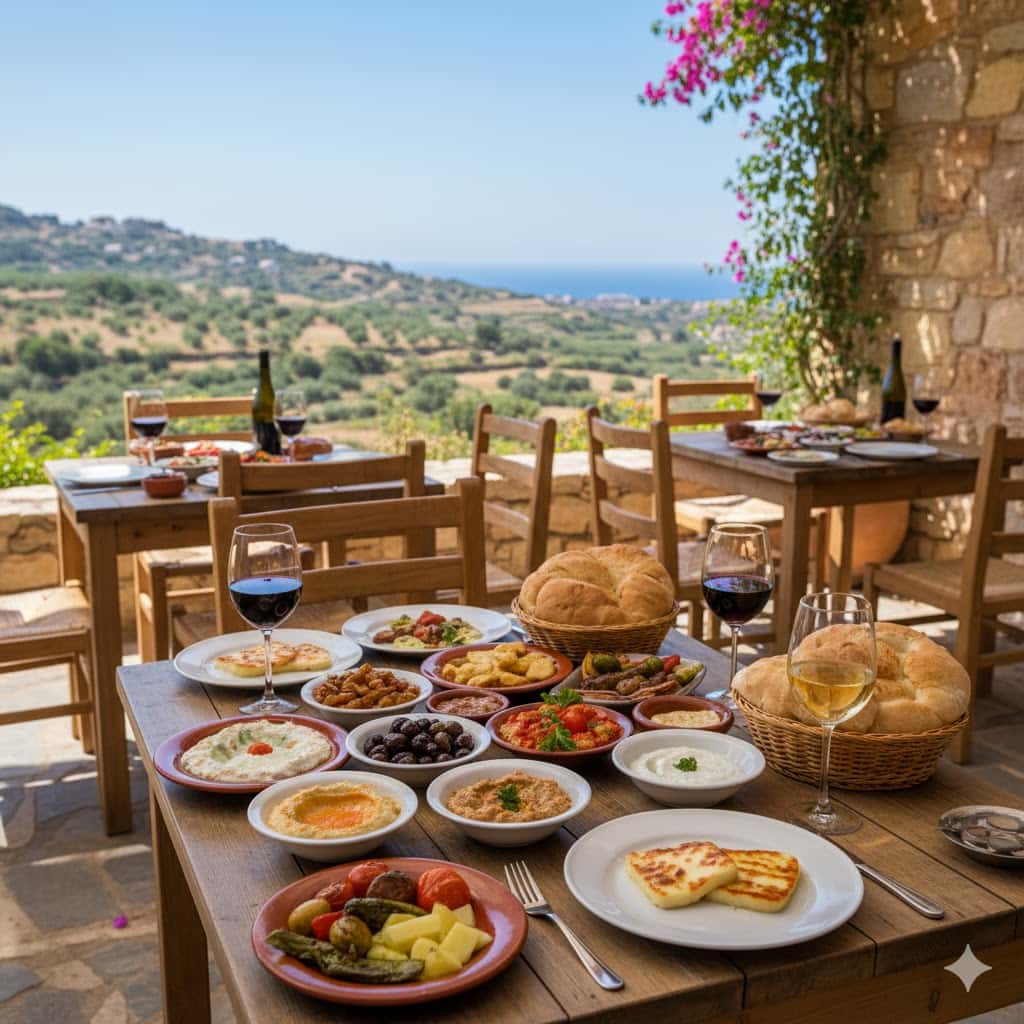
For a genuine taste experience, focus on savoring halloumi, a semi-hard cheese with a unique texture and slightly tangy flavor, perfect for grilling or frying. Pair it with fresh tomatoes and cucumbers for a refreshing appetizer that captures the essence of local produce. If you’re exploring regional flavors without driving, read our guide on traveling to Cyprus without a car.
Don’t miss out on moussaka, a layered dish made with eggplant, spiced meat, and creamy béchamel sauce. Each bite offers a comforting blend of flavors that reflect Mediterranean influences. To enhance your meal, complement it with a glass of local wine, such as Commandaria, known for its rich history and sweet profile.
Seek out traditional meze, a selection of small dishes that allows you to sample various offerings. Opt for tzatziki, kleftiko, and grilled octopus among others. These dishes highlight fresh herbs and spices commonly used in the region, ensuring an unforgettable gastronomic adventure.
Finish your meal with a sweet treat like baklava, where layers of filo pastry are filled with nuts and soaked in honey syrup. This dessert encapsulates the richness of Cypriot sweets, offering a perfect end to your culinary exploration.
Traditional Dishes You Must Try
Halloumi cheese, a semi-firm delight, is often grilled or fried, making it a must-try appetizer. Pair it with watermelon for a refreshing combination that enhances each bite.
Moussaka, a layered dish featuring eggplant, minced meat, and béchamel sauce, showcases rich flavors and textures. Traditional recipes often include spices like cinnamon and allspice for added depth.
Souvlaki consists of skewered meat, commonly pork or chicken, grilled to perfection. Enjoy it with pita bread and homemade tzatziki for a satisfying meal in Ayia Napa or Protaras.
Flaounes, savory pastries filled with cheese, mint, and eggs, are a popular choice, especially during Easter celebrations. Their flaky crust and cheesy interior deliver a delightful culinary experience.
Sheftalia, a type of sausage made from minced pork or lamb, mixed with herbs and spices, offers a unique taste. Grilling these sausages enhances their flavor, making them an ideal addition to any barbecue.
Hummus, a classic spread made from chickpeas, tahini, lemon juice, and garlic, complements almost any dish. Enjoy it with fresh bread or vegetables for a wholesome snack.
Dolmades, vine leaves stuffed with rice, herbs, and sometimes meat, provide a burst of flavor in each bite. Serve them with a squeeze of lemon for a refreshing touch.
Finally, don’t miss out on Loukoum, a sweet confection made from sugar and starch, often flavored with rose water or lemon. This treat is perfect for satisfying your sweet tooth after a savory meal.
Popular Ingredients in Cypriot Cooking
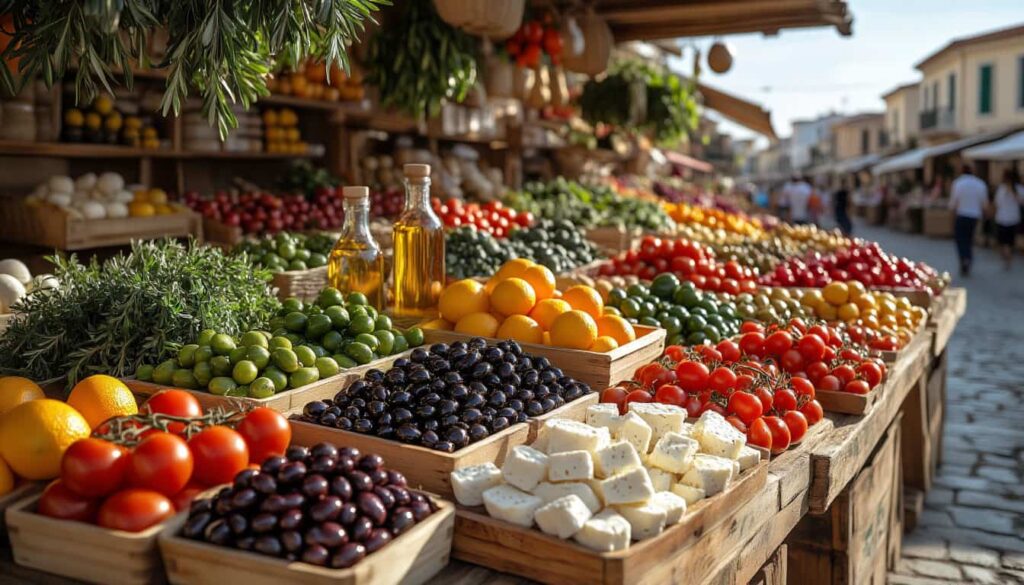
Olive oil serves as a cornerstone in many dishes, providing depth and richness. Choose extra virgin for optimal flavor. Fresh vegetables like tomatoes, cucumbers, and bell peppers are staples, adding color and nutrition to salads and meze.
Lentils and Beans
Lentils, particularly black and green varieties, are frequently incorporated into stews, providing protein and fiber. Other legumes such as chickpeas play a pivotal role in dishes like hummus, a creamy dip enjoyed with pita bread.
Herbs and Spices
Fresh herbs such as parsley, mint, and dill contribute aromatic notes. Spices like cinnamon and allspice are often used in savory and sweet dishes, enhancing the overall taste. Consider using za’atar for a unique seasoning blend.
Tips for Cooking Classic Cypriot Recipes
Utilize fresh ingredients like local vegetables and herbs, such as mint and dill, to enhance flavors.
Marinate meats in lemon juice and olive oil for several hours, which adds depth and tenderness.
Incorporate tahini in dressings or dips for a rich, nutty flavor that complements various dishes.
Balance spices; use cinnamon and allspice in meat dishes for warmth, but avoid overpowering other ingredients.
Serve dishes family-style, allowing guests to share and experience multiple tastes at once.
Experiment with grape molasses as a natural sweetener in desserts or glazes, imparting a unique taste.
Utilize traditional cooking methods, such as slow-roasting, to enhance flavor profiles.
Practice patience; many classic recipes benefit from extended cooking times for improved texture and flavor integration.
Pair meals with a local wine to elevate the dining experience and complement the tastes of the dishes.
Try making homemade bread; it’s a staple that elevates any meal and adds authenticity.
The Role of Meze in Cypriot Dining Culture
Meze serves as a centerpiece in communal meals, reflecting the spirit of hospitality found throughout the island. This assortment of small dishes encourages sharing and conversation.
Key aspects of meze include:
- Variety: Dishes range from grilled meats and seafood to vegetarian options like stuffed grape leaves and village salad.
- Seasonality: Ingredients are often fresh and locally sourced, highlighting regional flavors throughout the year.
- Social Experience: Dining becomes an event, as guests enjoy a leisurely pace that fosters connection. Read about the best areas to stay in Cyprus without a car for easy access to top tavern districts.
- Cultural Significance: It reflects a blend of influences from various cultures, showcasing the island’s rich history.
When enjoying meze, pair with local wines or zivania for a complete sensory experience. Opt for a meze platter at restaurants to sample multiple dishes. You can easily travel between authentic village taverns by reviewing our guide on booking a taxi in Cyprus.
Exploring Regional Variations in Cyprus Cuisine
The diverse regions of this island offer distinct tastes and culinary styles. For example, in the mountainous areas, dishes often incorporate hearty ingredients like lamb and legumes, reflecting traditional farming practices. A must-try is kleftiko, slow-cooked lamb infused with aromatic herbs and spices, served with roasted vegetables.
Coastal Delights
On the other hand, coastal towns like Larnaca and Limassol emphasize seafood. Fresh catches such as octopus, calamari, and various fish prepared simply with olive oil and lemon showcase the connection to the sea. Souvlaki, skewers of marinated meat, often accompany beachside dining experiences. Pair these with local wines like Commandaria, renowned for its rich history and flavor profile.
Traditional Village Bites
In rural areas, traditional meals focus on locally sourced produce. Dishes like halloumi are often grilled and served with mint. Tava, a clay pot dish made with spiced meat and vegetables, exemplifies the communal dining experience. These regional specialties reflect the cultural heritage and agricultural practices of the island, offering a unique culinary narrative.
Where to Experience Authentic Cypriot Food
For an immersive dining experience, head to To Anamma located in the heart of Nicosia. This restaurant offers traditional dishes prepared with locally sourced ingredients and family recipes passed down through generations.
Vasilikos Taverna in Limassol is renowned for its meze platters, featuring a variety of small dishes that showcase regional specialties. Reserve a table for dinner to fully enjoy the evening atmosphere.
In Larnaca, visit Kleftiko for their signature slow-cooked lamb, which is cooked underground, providing a unique flavor profile. The menu also includes vegetarian options highlighting fresh produce.
The town of Paphos boasts Ouzeri, an eatery celebrated for its seafood offerings. Dine on the terrace with a view of the harbor while savoring grilled octopus and calamari.
For an authentic village experience, head to Mra Karam in Omodos. This family-run establishment serves homemade dishes in a rustic setting, making it a perfect spot for a leisurely lunch.
| Location | Restaurant | Specialty |
|---|---|---|
| Nicosia | To Anamma | Traditional dishes |
| Limassol | Vasilikos Taverna | Meze platters |
| Larnaca | Kleftiko | Slow-cooked lamb |
| Paphos | Ouzeri | Seafood |
| Omodos | Mra Karam | Homemade meals |
Remember to pair your meal with local wine or zivania, a traditional spirit, to enhance flavors and celebrate the region’s culinary heritage.
Q&A: Cyprus Cuisine & Local Taverns
What makes traditional Cypriot cuisine unique compared to other Mediterranean cuisine?
Traditional Cypriot cuisine blends Greek cuisine, Turkish influences, and Middle Eastern cuisine, creating rich flavors that reflect the history and culture of the island. Cyprus food often includes coriander, oregano, sesame seeds, and feta cheese made from goat and sheep’s milk, making it a staple food in many traditional Cypriot dishes. For budget planning, read is Cyprus expensive for tourists.
What are some must-try dishes of Cyprus for visitors who want an authentic meal in Cyprus?
Cyprus offers many traditional Cypriot foods such as souvla, koupepia, kebab, loukoumades, and the famous Cyprus village salad. These are must-try dishes that highlight traditional food in Cyprus, and each meal in Cyprus often includes local food that is part of a meze.
How is traditional Cyprus food connected to the Mediterranean diet?
Traditional Cyprus food is closely tied to the Mediterranean diet, with olive oil, fresh vegetables, sheep’s milk cheese, red wine, and herbs like oregano and coriander forming the base. This guide to Cyprus food shows how the cuisine of Cyprus supports a healthy lifestyle while celebrating traditional Cypriot culture.
What role does street food play in Cypriot culture and the cuisine of Cyprus?
Street food in Cyprus is a popular way to experience traditional Cypriot dishes such as kebab, souvla served with sesame bread, and loukoumades covered in honey. Street food reflects both local food traditions and the broader Mediterranean cuisine, making it an essential part of a visit to Cyprus. Compare transport options in rent a car vs taxi in Cyprus.
Why is souvla considered one of the most popular dishes in Cyprus recipes?
Souvla is a popular dish and a delicacy in Cyprus, prepared by slowly grilling large pieces of meat on a skewer. This traditional Cypriot dish, often seasoned with oregano and served with Cyprus village salad, is considered one of the staple foods and an excellent example of traditional Cypriot cuisine. Learn about travel options in private transfer vs taxi in Cyprus.
What desserts and drinks are part of traditional food in Cyprus?
Traditional Cypriot foods include desserts like loukoumades, sprinkled with sesame or honey, and often paired with dessert wine or red wine. Cypriot coffee, with its strong flavor, is another part of Cypriot culture and is a great way to end a meal in Cyprus. Review transit options in public transport vs private transfers in Cyprus.
How do traditional Cyprus recipes reflect the history and culture of the island?
The food of Cyprus reflects centuries of history and culture, combining Greek cuisine, Turkish dishes, and Middle Eastern cuisine into many traditional recipes. From koupepia to casseroles made with goat and sheep milk cheese, the dishes of Cyprus tell the story of an island where traditional food has always been central to life. Don’t forget to check tourist mistakes to avoid in Cyprus before visiting local taverns.
