For an authentic experience in 2025, participate in the Limassol Carnival, an energetic event filled with parades, costumes, and live performances. Spanning nearly two weeks, this festivity brings together locals and visitors in a spectacle of creativity and joy. Be sure to check the schedule for the grand parade, where incredible floats and vibrant displays take center stage.
Another must-see is the Bread Festival in the village of Ktima, showcasing traditional baking techniques and local produce. Delight your senses with freshly baked goods and engage in workshops to learn about the island’s culinary history. This event is perfect for food lovers craving a taste of authentic Cypriot cuisine.
In the month of June, the Ayia Napa Summer Festival transforms the coastal town into a hub of cultural exchange. With live music, art exhibits, and local artisans displaying their crafts, visitors can immerse themselves in the rich heritage of the area. If you prefer getting around between festival venues without a car, check our guide on traveling to Cyprus without a car.
By exploring these captivating events in 2025, you’ll gain a deeper appreciation for the customs and activities that define this beautiful island. Don’t miss the chance to witness Cypriot traditions in action; each celebration offers a unique glimpse into the heart of the community.
Exploring the Origins of Cypriot Festivals
In 2025, enthusiasts can engage with historical events celebrated in various villages, each showcasing the island’s cultural richness. Many occasions trace their roots to ancient agricultural practices, connecting the local population to seasonal cycles. The Feast of St. John, for example, marks the summer solstice with vibrant rituals that honor the sun and fertility.
Religious Influences
Cyclical practices often stem from deep-seated religious traditions. The vibrant ceremonies of Pentecost reflect the island’s long history of Christianity, seamlessly intertwining with older pagan customs. These events reveal how communities evolve their belief systems while retaining elements from previous eras.
Local Customs and Celebrations
Many observed events highlight regional uniqueness. The Wine Festival in Limassol not only celebrates local viticulture but also commemorates the ancient god Dionysus, indicating a strong historical connection to wine production. Such occasions encourage participation from both locals and visitors, fostering a sense of unity and cultural appreciation.
Engagement with local traditions enriches the experience for travelers, allowing them to witness firsthand the vibrant heritage that persists through generations. Each celebration offers a unique window into the island’s past and present.
Key Traditional Events Throughout the Year
Start your cultural experience on March 25th with Independence Day, celebrated with parades and fireworks, commemorating the island’s liberation from Ottoman rule.
In April, Lent culminates with Easter, where the Holy Week features unique practices. On Holy Saturday, engage in the tradition of the midnight Resurrection service and enjoy the festive meal that follows.
May brings the Flower Festival (Anthestiria) in Limassol, celebrating the arrival of spring with vibrant parades, floral decorations, and local poetry readings.
June showcases the Cultural Festival in Paphos, spotlighting local art, music, and performances, ideal for those wanting to immerse in contemporary Cypriot creativity.
August marks the Wine Festival in Limassol, where visitors can sample local wines, enjoy traditional music, and participate in grape stomping activities.
September highlights the Olive Festival in Kissonerga, offering insights into olive oil production, tastings, and live demonstrations of traditional practices.
November hosts the Animal Festival in Agros, featuring local breeds, agricultural exhibitions, and workshops on animal care, perfect for families and animal lovers.
Conclude the year’s celebrations in December with Christmas Markets throughout the island, where you can find handmade crafts, local delicacies, and festive concerts.
- March 25: Independence Day
- April: Easter Celebrations
- May: Flower Festival (Anthestiria)
- June: Cultural Festival in Paphos
- August: Wine Festival in Limassol
- September: Olive Festival in Kissonerga
- November: Animal Festival in Agros
- December: Christmas Markets
Engaging with Local Cuisine During Festivals
For an authentic culinary experience, attend the Protaras Festival of Rice in 2025. Taste traditional rice dishes, featuring unique local spices and seasonal ingredients, prepared by local chefs.
Participate in Community Cooking Events
Join community cooking sessions held during celebrations. These gatherings often take place in town squares or local kitchens, where you can learn to prepare traditional meals like kleftiko or moussaka. Participating enriches your understanding of cultural flavors and cooking methods.
Sample Street Food Stalls
During open-air celebrations, explore various street food stalls. Street vendors offer everything from souvlaki to halloumi fries. Don’t miss out on trying a local dessert like baklava or loukoum for a sweet taste of the region.
Pair your meals with traditional beverages like Commandaria, a local dessert wine, enhancing your dining experience.
Understanding Cultural Significance of Celebrations
Celebrations on the island reflect a rich tapestry of history, community, and identity. Events like the Wine Festival draw locals and visitors alike to appreciate the craft of winemaking, showcasing varietals unique to the region. The significance lies not just in the festivity, but in the transmission of knowledge and skills that define local craftsmanship.
Role of Community
Community involvement is a cornerstone of these events. Festivals facilitate social cohesion as individuals come together to share experiences and traditions. They serve as a platform for storytelling, where older generations impart wisdom to the youth, thus preserving the cultural heritage through interaction.
Economic Impact
Engagement in such celebrations also has economic benefits. Local artisans, vendors, and businesses gain visibility and revenue, fostering a sense of pride in local culture. The influx of tourists during these times boosts the economy and encourages the preservation of local crafts and customs.
| Celebration | Significance | Season |
|---|---|---|
| Wine Festival | Promotion of local winemaking and culture | Autumn |
| Traditional Harvest Festival | Celebration of agricultural heritage and community solidarity | Autumn |
| Greek Orthodox Easter | Spiritual reflection and family bonding | Spring |
Participating in Unique Festive Activities
Join the Limassol Carnival from February to March, where you can enjoy colorful parades, street performances, and lively costumes. Engage in the local custom of creating and wearing imaginative masks, a tradition that showcases creativity and community spirit.
Experience Wine Festivals
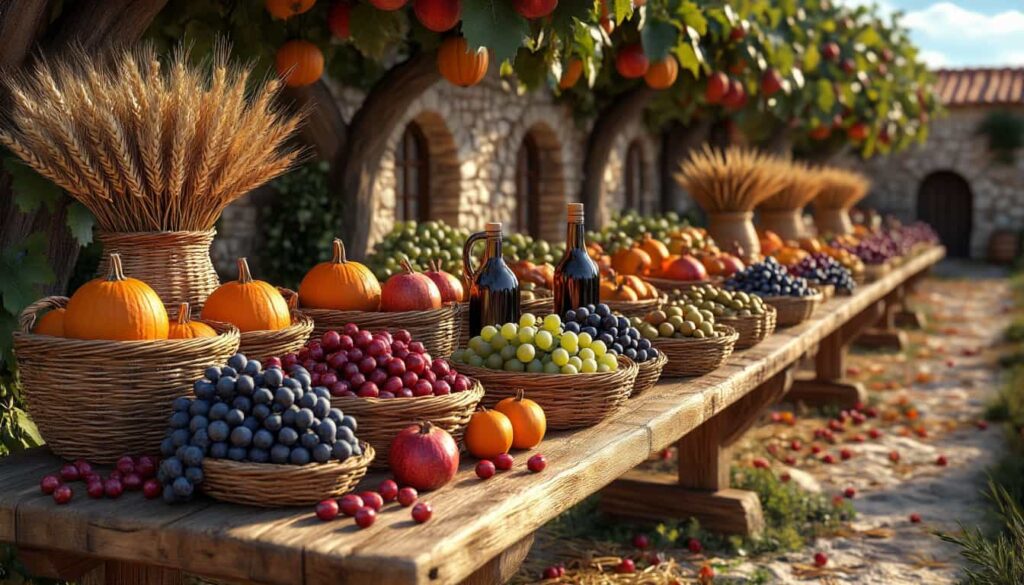
Take part in the wine festivals in late August, located in the heart of Cyprus’s wine-producing region. Participate in grape stomping events and tastings of locally produced wines while savoring traditional Cypriot delicacies. Attend workshops to learn about winemaking techniques passed down through generations.
Festivals of Light
Experience the Festival of Lights in December, where towns illuminate their streets with artistic displays. Join community gatherings for storytelling and music under the shimmering decorations. Don’t miss interactive workshops, which allow you to craft your own light-based art using local materials, enriching your understanding of cultural heritage.
Travel Tips for Attending Festivals in Cyprus
Plan ahead and check the festival dates early. Some celebrations span multiple days. Accommodation can fill up quickly, so book your stay as soon as possible for nearby options. Review our comparison of public transport vs private transfers in Cyprus or check our guide on booking a taxi in Cyprus to arrange easy rides to festival grounds.
Learn a few phrases in Greek or Turkish. Locals appreciate even a small effort to speak their language, enhancing your interactions.
Dress Appropriately
Dress comfortably and consider the weather. Lightweight clothing is ideal for summer events, while evenings may require a light jacket. Closed-toe shoes are preferable for walking on varied terrain.
Engage with Local Culture
Participate in traditional activities and local cuisine offerings. Trying regional delicacies enhances the experience. Be open to making connections with the locals, who can provide insights and stories about the events. You can also review the best areas to stay in Cyprus without a car for convenient bases.
Q&A: Festivals in Cyprus
What is the Limassol Wine Festival and why is it considered one of the best festivals in Cyprus?
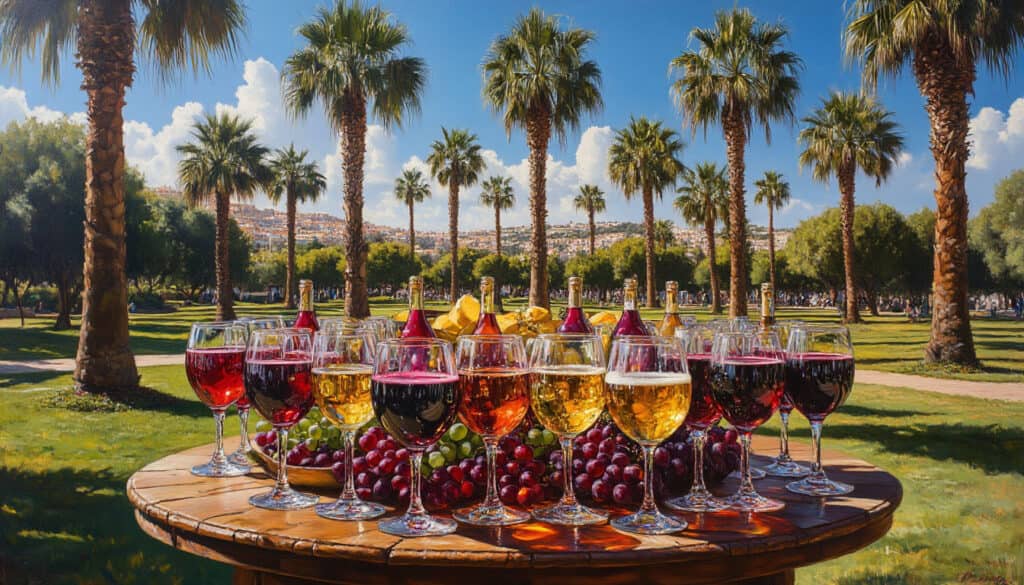
The Limassol Wine Festival is an annual festival held at the Limassol Municipal Gardens in honour of Dionysus, the ancient Greek god of wine. This cultural event features wine tasting from every winery across the island, local food, music and dance performances, and traditional Cypriot music. It is one of the best festivals in Cyprus and an essential part of Cyprus travel in late September and early October. Read more about travel expenses in is Cyprus expensive for tourists.
How does the Paphos Aphrodite Festival celebrate ancient Greek drama and culture?
The Paphos Aphrodite Festival is an annual event held at the medieval castle square in Paphos at the end of August. This international festival features ancient Greek drama, theatrical performances, and music festival elements, bringing together Cypriots and international visitors. It honours the goddess Aphrodite and showcases cultural events that make it one of the most unique festivals in Cyprus.
What happens during Kataklysmos, also known as the Festival of the Flood?
Kataklysmos, the Festival of the Flood, is an annual event held in coastal towns such as Larnaca and Limassol. This Cyprus festival takes place in June and combines religious traditions with cultural events. Visitors can enjoy traditional food, local food stalls, dance performances, music and dance shows, and boat races, making it one of the most popular events in Cyprus.
What makes the Rose Festival in the village of Agros a special cultural event?
The Rose Festival in the village of Agros is a traditional annual festival that takes place every May. This cultural event celebrates the rose harvest in the Troodos Mountains with traditional Cypriot music, local food, and Cypriot food delicacies. Visitors can enjoy dance performances, exhibitions, and even products made from roses, making it a must-see for Cyprus travel.
How do Cypriots celebrate the Anthestiria Flower Festival?
The Anthestiria Flower Festival is held every May in cities like Limassol and Nicosia. This annual festival celebrates spring with colourful flower parades, music and dance, and traditional food stalls. As one of the most beautiful events and festivals in Cyprus, it reflects ancient Greek traditions and the joy of nature, drawing locals and tourists alike.
Why is the Medieval Festival in Ayia Napa considered a highlight among festivals and events in Cyprus?
The Medieval Festival in Ayia Napa is an annual event that usually takes place every October in the old town and castle area. This cultural event features medieval costumes, ancient Greek drama influences, dance festival performances, and traditional Cypriot food. Compare transit options in rent a car vs taxi in Cyprus or private transfer vs taxi in Cyprus.
What role do the Troodos Mountains play in Cyprus festivals and events?
The Troodos Mountains host several annual events, including the grape harvest and zivania tasting during September and October. Villages across the Troodos, such as Omodos and Agros, celebrate with food festivals, street life festival activities, and opportunities to enjoy traditional Cypriot music. These festivals throughout the mountains provide visitors with a great chance to experience Cypriot culture, local food, and authentic village life. Check out tourist mistakes to avoid in Cyprus before traveling to mountain events.